
Choice and Inevitability
American RustThe novel repeatedly contrasts characters’ claims that events were inevitable with evidence that their actions and omissions still shaped what happened.
increasing Bearing strength in each event
 decreasing
Bearing strength in each eventdecreasingA Planned Escape
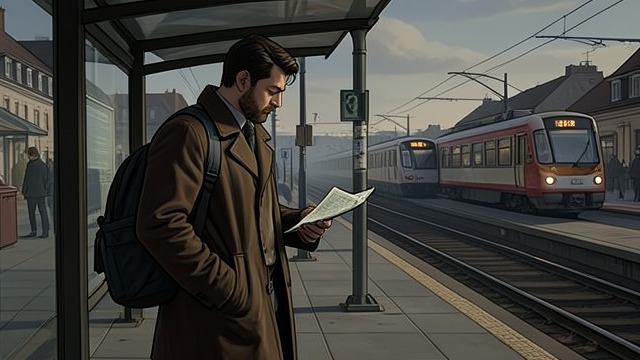
A Planned Escape
A deliberate departure
Isaac English plans his route, gathers supplies, and takes money before leaving. His escape is not a sudden accident but a choice shaped by years of frustration.
Constraint and agency
Family obligation and economic hardship limit his options, but he still recognizes that he is responsible for how he acts within them.
The Killing’s Immediate Cause
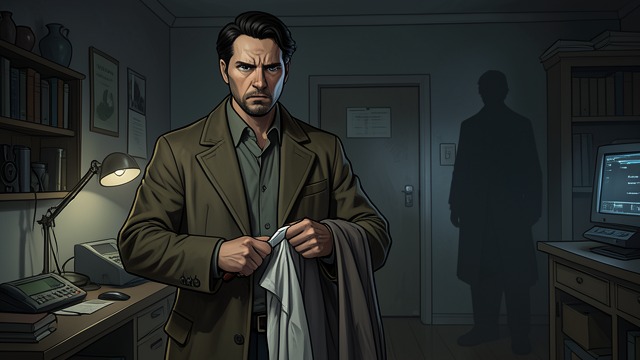
The Killing’s Immediate Cause
Decisions under threat
Isaac throws the bearing while Billy Poe is being held at knifepoint. The decision happens under pressure, but Isaac later questions why he aimed as he did.
More than one truth
Self-defense, loyalty, and the death of an unarmed man coexist. The novel resists turning the event into either pure heroism or simple guilt.
Poe’s Pattern of Escalation
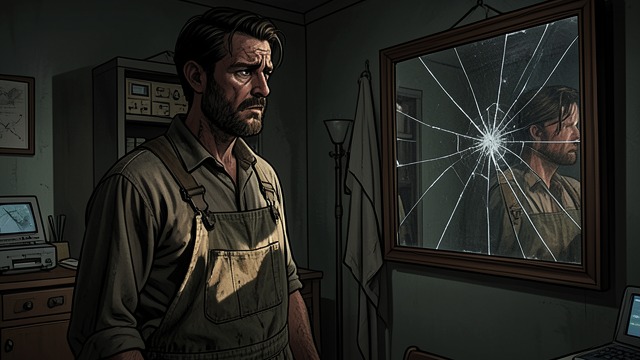
Poe’s Pattern of Escalation
Earlier choices remembered
Billy recalls turning down college and striking a defeated teenager after a fight. He sees a repeated tendency to push beyond the point of safety.
Rejecting pure fate
He calls his troubles inevitable, but also recognizes that he made choices at each turning point. That recognition becomes part of his willingness to endure consequences.
Grace’s Silent Decision
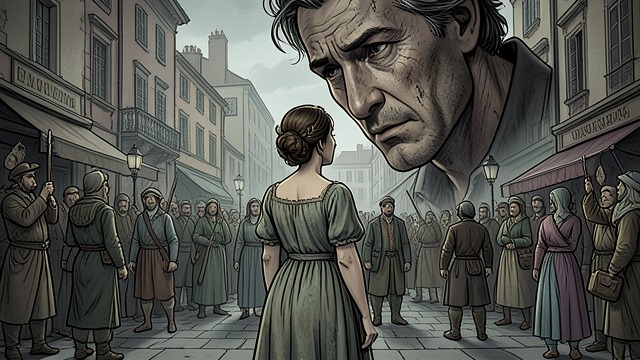
Grace’s Silent Decision
Wish without instruction
Grace wants Murray Clark gone but does not directly tell Bud Harris to kill him. She initially treats the distinction between wishing and asking as a defense.
Complicity acknowledged
She realizes that unspoken wishes can still shape another person’s actions. Her moral responsibility cannot be settled by claiming she never gave an explicit order.
Accepting a Next Step
Accepting a Next Step
A choice made visible
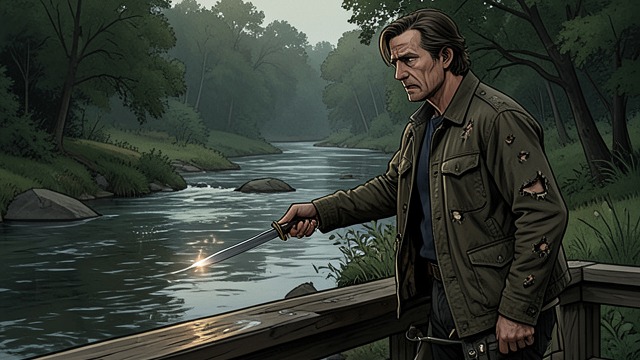
Isaac leaves the overpass alive, throws away his knife, and returns to speak with Harris. He cannot undo the killing, but he can decide what he does next.
Limited freedom
The novel presents agency as neither total control nor helpless fate. People inherit damaged conditions, yet remain accountable for choices made within them.
Before the killing
The evening of the machine-shop fight
During the first days after the killing
Before Harris confronts Murray
Near the ending
